


Your home foundation is literally what keeps your house standing strong. While it may not be something you think about every day, maintaining a durable and safe foundation is crucial for your family’s safety and the long-term value of your home.
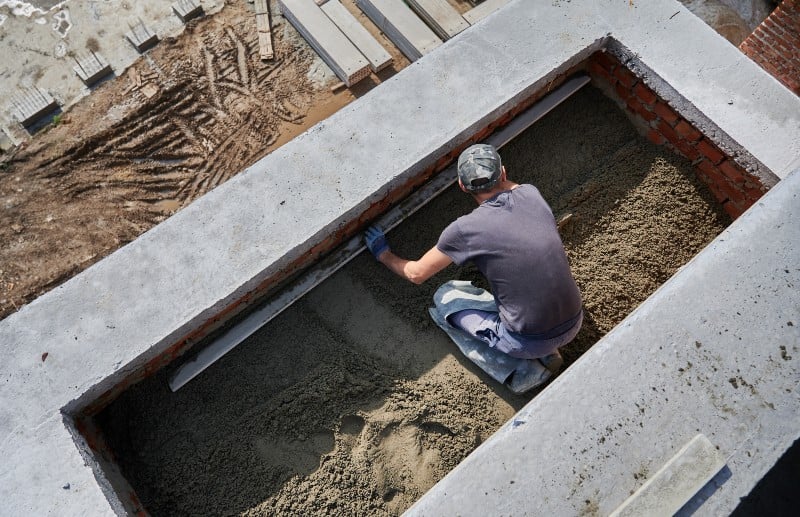
Canada’s changing seasons, from freezing winters to rainy springs, can put a lot of stress on concrete foundations. For practical advice on spotting potential issues early and keeping your foundation in excellent condition, check out this homeowner’s guide to repairing cracks and maintaining your concrete foundation.
Understand Your Foundation Type
The first step in maintaining your foundation is understanding what type you have. Most homes in Canada have one of the following types
- Concrete slab foundations which are poured directly on the ground and are common in newer homes
- Basement foundations which provide extra living or storage space below the home
- Crawl space foundations which elevate the home slightly off the ground
Each type has different maintenance needs. Knowing what you have will help you identify potential issues early and choose the best methods to protect it.
Inspect Your Foundation Regularly
Regular inspections are key to catching small problems before they become big ones. Walk around your home and look for signs such as
- Cracks in walls or floors
- Doors or windows that stick or do not close properly
- Uneven floors or sloping areas in the yard
- Water pooling near the foundation
Checking your foundation twice a year, ideally in spring and fall, helps you spot any early warning signs. You can also hire a professional inspector every few years for a more thorough assessment.
Keep Water Away from Your Foundation
Water is one of the biggest threats to any foundation. Standing water can seep into cracks and cause structural damage over time. To prevent water issues
- Ensure gutters and downspouts direct water at least two meters away from your foundation
- Grade your yard so it slopes away from the house
- Avoid planting water-loving plants or trees too close to the foundation
- Consider installing a French drain or other drainage solutions in areas prone to pooling
These steps can help prevent water from undermining the foundation and causing costly repairs.
Manage Soil and Landscaping Carefully
The soil around your home can expand and contract with changes in moisture, which can put stress on your foundation. Avoid heavy construction near your home that could disturb the soil and make sure to
- Keep large trees with deep roots at a safe distance
- Avoid overwatering flower beds near the foundation
- Maintain consistent soil moisture to prevent uneven settling
Proper landscaping supports a healthy foundation and reduces the risk of cracks and shifting.
Maintain Your Home’s Exterior
Your foundation is closely connected to the overall health of your home. By maintaining the exterior, you reduce potential stress on the foundation
- Seal cracks in exterior walls promptly
- Repair any damaged siding or brickwork
- Keep vents and air intakes clear of debris
A well-maintained exterior not only looks good but also protects the structural integrity of your home.
Address Cracks and Damage Promptly
Even small cracks can become serious if ignored. If you notice hairline cracks in concrete or masonry, fill them with an appropriate sealant. Larger cracks or signs of movement require professional assessment. Ignoring these problems can lead to more extensive damage and expensive repairs in the future.
Control Moisture Inside the Home
Excess moisture inside your home, especially in basements and crawl spaces, can contribute to a sinking foundation. Consider the following
- Use a dehumidifier to reduce humidity levels in basements
- Check for leaks from plumbing, appliances, or water heaters
- Install sump pumps in areas prone to flooding
Controlling interior moisture helps prevent mold, mildew, and structural damage to the foundation.
Schedule Professional Maintenance
While there are many things homeowners can do themselves, having a professional inspect and maintain your foundation periodically is always a good idea. Professionals can
- Detect problems not visible to the untrained eye
Suggest waterproofing or reinforcement options
Provide long-term maintenance plans tailored to your home and soil conditions - Investing in professional guidance can save money and headaches down the road.
Final Thoughts
A strong foundation is the backbone of a safe, comfortable, and long-lasting home. By understanding your foundation type, performing regular inspections, keeping water away, managing soil, maintaining your exterior, addressing cracks promptly, controlling interior moisture, and seeking professional advice, you can ensure that your home remains durable and secure.
Taking care of your foundation may not be the most exciting home project, but it is one of the most important. With consistent attention and simple preventive steps, your family can enjoy a safe home environment for many years.
Remember that maintaining a foundation is not just about protecting your house. It is about creating a secure space for your family to live, play, and grow without worrying about structural issues. Your foundation is an investment in the safety, comfort, and longevity of your home.
