


A backyard deck is more than just a place to sit and enjoy a cup of coffee—it’s an extension of your home, a spot for family gatherings, and a safe place for kids and pets to play.
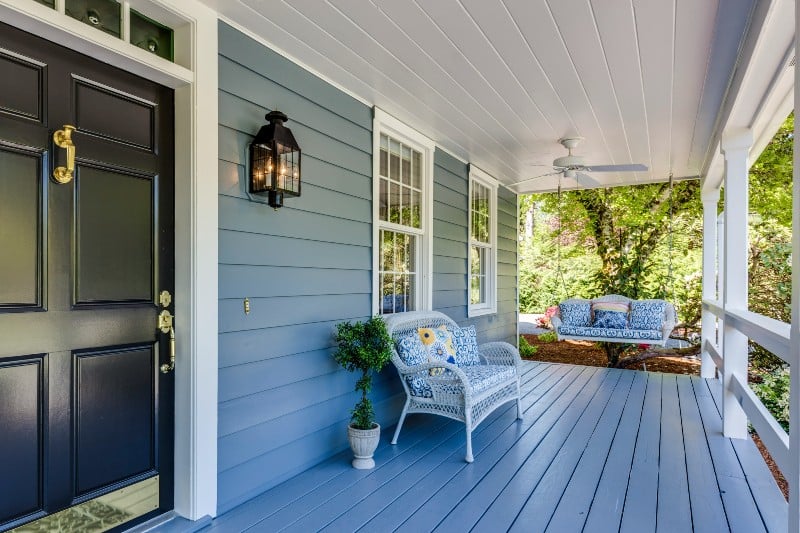
Choosing the right materials for your Canadian deck is essential, especially with our range of weather conditions, from hot summers to harsh winters. With so many options, making the right choice can be challenging.
Beyond materials, proper deck blocking is just as important since it reinforces your deck’s structure, adds stability, and prevents boards from warping or bouncing over time. By combining durable materials with strong blocking and support, you’ll ensure your deck stays safe, sturdy, and long-lasting through every season. Would you like
A glass deck railing is a stylish and practical option that can fit many budgets. This guide offers practical tips and insights to help you select the best railing for your deck without compromising on safety or design.
1. Consider Your Climate
Canada’s weather can be tough on outdoor structures. Rain, snow, and fluctuating temperatures can all take a toll on your deck materials. Here are a few things to consider:
- Wood: Traditional wood decks, like cedar or pressure-treated pine, have natural beauty and charm. Cedar is naturally resistant to rot and insects, but all wood needs regular maintenance—staining or sealing at least once a year to protect against moisture and UV damage.
- Composite: Composite decking is made from recycled wood fibres and plastic. It’s low-maintenance, resists rot, and doesn’t splinter. In Canadian climates, composite decks can handle moisture and cold better than untreated wood, though they can get hot under direct sunlight.
- PVC Decking: 100% synthetic, PVC decking is extremely weather-resistant and requires very little maintenance. It’s also impervious to rot, insects, and fading, making it a strong choice for areas with heavy snow or rain.
2. Think About Maintenance
How much time are you willing to spend maintaining your deck? If you love the look of wood but don’t want the upkeep, you might consider a composite deck that mimics wood but needs minimal care. On the other hand, if you enjoy DIY projects and don’t mind sealing or staining, wood can be a beautiful, cost-effective choice.
Quick tip: Choose materials that can withstand winter snow without warping or cracking, and be ready to clear off snow carefully to avoid scratches or structural damage.
3. Evaluate Durability and Longevity
You want a deck that will last. Here’s a quick comparison of common decking materials:
- Cedar or Redwood: Typically last 15–25 years with proper care.
- Pressure-Treated Wood: Can last 20+ years but requires regular maintenance.
- Composite: Can last 25–30 years and is highly resistant to moisture and rot.
- PVC: Often comes with a 25–30 year warranty and is extremely durable.
Consider your budget and lifestyle. Investing in more durable materials upfront can save you time and money in the long run.
4. Safety First
Decks are meant for family fun, so safety is key. Look for materials that provide good traction, especially in wet conditions. Composite and PVC materials often have textured surfaces that reduce the risk of slipping. Avoid overly smooth finishes, particularly if your deck will be near a pool or in a shaded area that stays damp.
5. Think About Aesthetics
Your deck should complement your home’s style and landscape. Wood provides a classic, natural look that works well with almost any home. Composite and PVC materials come in a wide variety of colors, finishes, and even wood-grain patterns, allowing you to customize your deck to match your backyard vision.
Pro tip: Choose colors that won’t fade easily in Canadian sunlight. Darker tones absorb heat, while lighter tones stay cooler underfoot—something to consider if little feet and bare toes will be enjoying the space!
6. Budget Wisely
Deck costs can vary widely depending on materials, size, and labor. While wood may be cheaper upfront, ongoing maintenance can add up. Composite and PVC decks have a higher initial cost but are often more economical in the long run due to their durability and low maintenance.
Think of it this way: a deck is an investment in your home and lifestyle. Spending a bit more upfront for a material that lasts and stays beautiful through Canadian winters can pay off for years to come.
7. Eco-Friendly Options
For environmentally conscious families, consider sustainable materials:
- Recycled Composite Decking: Made from recycled plastics and wood fibers, reducing landfill waste.
- Sustainably Harvested Wood: Look for FSC-certified wood to ensure it comes from responsibly managed forests.
Choosing eco-friendly materials not only helps the planet but can also make your deck a healthier space for children and pets.
8. Consult a Professional
Deck installation is a big project, and it’s worth seeking guidance from professionals who know the local climate and building codes. A trusted contractor can help you choose materials that meet your family’s needs, ensure proper installation, and provide tips for ongoing maintenance.
Final Thoughts
Choosing the right deck materials for your Canadian home may seem overwhelming at first, but keeping your climate, maintenance, durability, safety, aesthetics, and budget in mind will make the process much easier. Whether you go with natural wood for a classic look, composite for low-maintenance convenience, or PVC for ultimate durability, a well-chosen deck can become the heart of your backyard—a safe, beautiful, and functional space for your family to enjoy for years.
With the right materials and care, your deck can withstand Canadian weather, look stunning, and become a go-to spot for summer barbecues, winter hot chocolate breaks, and everything in between.
