


As a parent, receiving a call from the police regarding your teen can be a scary experience. You’re just minding your own business, and then you get called to come down to the police station because your kid got into some kind of altercation at school or was involved in a fight with his friends.
You are probably full of questions such as “What is going to happen now?”, “How serious is this?”, and “How is this going to affect my kid’s future?”

Fortunately, the Canadian government realizes that children are constantly growing and learning from their mistakes. Therefore, the youth justice system has created laws specifically designed to protect children while holding them accountable for their actions. Understanding how these laws work can enable parents of teens in Ontario to make educated decisions during times of crisis.
How Does the Youth Criminal Justice System Work?
In Canada, young people between the ages of 12 and 17 who commit an offence under the Criminal Code are generally treated under the Youth Criminal Justice Act (YCJA). This legislation acknowledges that children develop and mature differently from adults and emphasizes rehabilitation, accountability, and assisting young offenders in reintegrating into society after they’ve completed their sentences.
Children under the age of 12 cannot be charged with an offence in Canada.
When a young person commits an offence, the type of punishment they will receive depends on many variables, including:
- The severity of the alleged offence
- Whether they have previously had dealings with the youth justice system
- The circumstances surrounding the alleged offence
For example, a teenager accused of stealing merchandise from a store might go through a completely different process than another teenager who allegedly assaulted someone.
Parents need to recognize that merely being accused of an offence does not necessarily mean their child will be convicted.
What Happens If the Police Want to Speak With My Teenager?
Police officers may wish to interview a young person following an event involving an alleged offence, such as theft, assault, threatening behaviour, or damaging property.
At times, the officer may simply be gathering information. Other times, they may believe that the youngster committed an offence.
If your child is arrested or detained, they have very important legal rights. These include the right to know why they are being detained or arrested, the right to remain silent, and the right to communicate with a lawyer.
Additionally, the Youth Criminal Justice Act contains provisions that afford protection to young people when police are seeking to obtain a statement from a young person. Typically, before obtaining a statement from a young person, police must provide them with a reasonable opportunity to consult with a lawyer and/or a parent or guardian. Depending on the circumstances of the case, the parent or guardian may also have the opportunity to be present during questioning. Certain exceptions or waivers may apply.
Parents should inform their children of their rights before any problem arises.
A young person may think that if they answer each question posed immediately, this will assist in resolving the issue. While this approach may appear logical to a young person, consulting with a lawyer first may aid them in understanding the consequences of providing a statement.
What Can I Do If My Teenager Has Been Arrested?
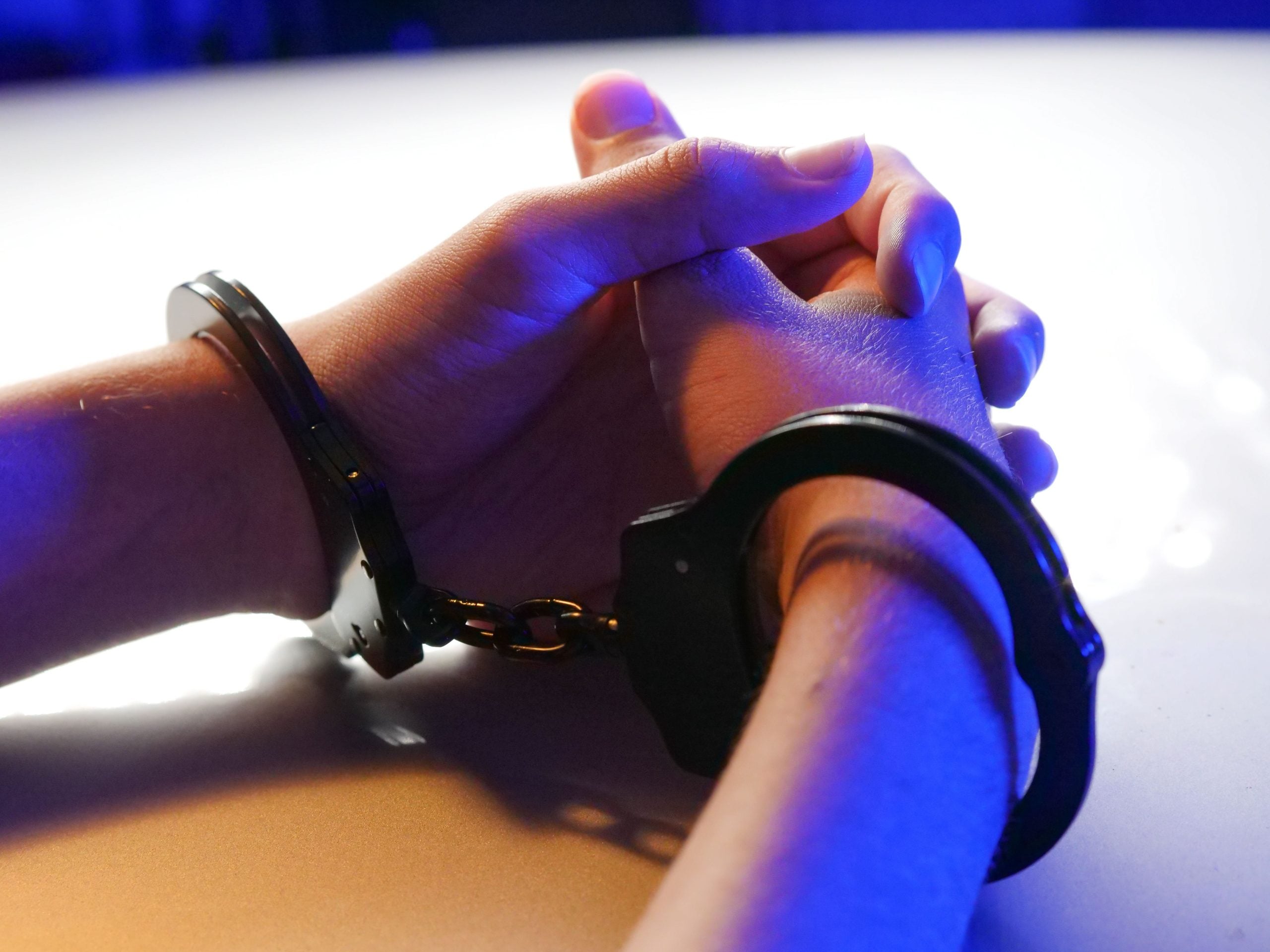
Receiving notification that your child has been arrested can be overwhelming. However, remaining calm and collecting as much information as possible is one of the best ways you can assist your teenager during this time.
First, ask where your teenager is being detained. Second, ask why your teenager was detained. Third, find out who you need to contact to reach your teenager.
If your teenager is being held at the police station, try to visit them as early as possible. Under the Youth Criminal Justice Act, police generally must notify a parent when a young offender is detained in custody pending an appearance in court, subject to certain exceptions.
Do not argue with police officers. Do not attempt to defend your teenager’s position or discuss the details of the alleged offence.
Instead, you can provide any identification or clarification that is required. However, avoid commenting further on the specifics of the charges.
Also, remind your teenager that you are there to support them.
Regardless of whether you are upset or disappointed regarding what happened, your teenager requires reassurance and assistance in navigating their current predicament.
Importance of Consulting a Defence Lawyer
Many parents are unfamiliar with Canada’s criminal justice system. Therefore, many parents do not understand terms used within the system (e.g., bail hearing), police processes (e.g., police interviews), or court proceedings.
A defence lawyer can assist by explaining the allegations made against your child, analyzing the facts of the matter, and providing you with information about the legal options available. Consulting with a defence lawyer experienced in criminal matters can be especially beneficial for parents whose children are facing serious charges.
A defence lawyer can analyze any available evidence and advise on your child’s rights. They can also guide you on the proper next steps.
It is also critical for parents to realize that their child is the defence lawyer’s client. Accordingly, young people have rights related to the confidentiality of communication with their lawyer, regardless of whether parents are assisting in hiring counsel for their child.
Will All Cases That Involve a Minor Be Heard by a Judge?
One positive aspect of Canada’s youth justice system is that some cases can be resolved without resorting to formal court proceedings.
The Youth Criminal Justice Act advocates for alternative forms of resolution, such as issuing warnings or cautions or referring young people to counselling or community programs, for cases involving less serious offences.
Depending on the facts of each case and other aspects of the law, alternatives may include counselling, community service, or other rehabilitative measures.
However, there are limitations, and not all cases fit within these categories.
The seriousness of the charges, prior offences, and other factors impact how a matter progresses through the youth justice system.
Parents should not assume that a first offence will automatically result in dismissal or informal disposition.
If Your Teenager Must Appear Before a Judge
If your child receives a notice of court appearance, please treat this seriously. Read any material provided to you or your child carefully. Make sure to note important dates, addresses, and directions contained in any paperwork.
There may be conditions that your teenager must abide by until their case is heard. Examples may include restrictions on contacting individuals or accessing locations. Failing to comply with release conditions can generate new issues for your teenager and your family.
Parents can assist their teenager by maintaining documentation pertinent to their case, arranging transportation, and reminding their teenager that appearing at all scheduled hearings is extremely important.
Obtaining competent representation can also aid families in preparing for court appearances and understanding what to anticipate.
Social Media: Use Caution
Teenagers commonly post about their personal lives via social media. However, this is often done without consideration for long-term effects.
In instances where your child becomes involved in an investigation related to alleged misconduct, please advise your teenager to refrain from posting about incidents on social media platforms. Posts, messages, photos, videos, etc., could potentially be used as evidence by investigators.
Please use caution as well when publishing anything pertaining to the incident on public forums. Generally, under the Youth Criminal Justice Act, identity protection exists for minors participating in the youth justice system through restrictions on publication. However, exceptions exist.
